What ingredient-led, CBD, and non-alcoholic beverages reveal about the future of beverage innovation.
Dry January has become a recurring moment on the calendar. For many in the beverage industry, it’s more than a seasonal shift—it’s a signal. A time when consumer curiosity about alternatives to traditional alcoholic beverages becomes visible. A moment where beverage brands reassess portfolio relevance, broaden offerings, and explore new ingredient possibilities. But what if Dry January isn’t just a “pause” in drinking? What if it’s an indicator of where beverage innovation is heading?
Beyond Alcohol: A Broader Beverage Landscape
The conversations around beverage choice have shifted. Consumers are exploring drinks that fit various lifestyles, occasions, and preferences. This has led to interest in three evolving categories:
- Non-alcoholic alternatives (beer, mocktails, botanical beverages)
- Ingredient-forward functional beverages
- CBD-infused beverages (with broad appeal, little to no THC)
Importantly, this shift isn’t anecdotal. Recent consumer research shows that more Americans plan to participate in Dry January than in previous years, with curiosity extending beyond alcohol itself and into what replaces it. CivicScience data suggests that many participants view Dry January not as abstention, but as an opportunity to explore new beverage choices and spending patterns beyond alcohol. These categories aren’t fleeting trends — they’re backed by measurable market growth and reinforced by evolving consumer behavior.
Market Momentum: Growth You Can See
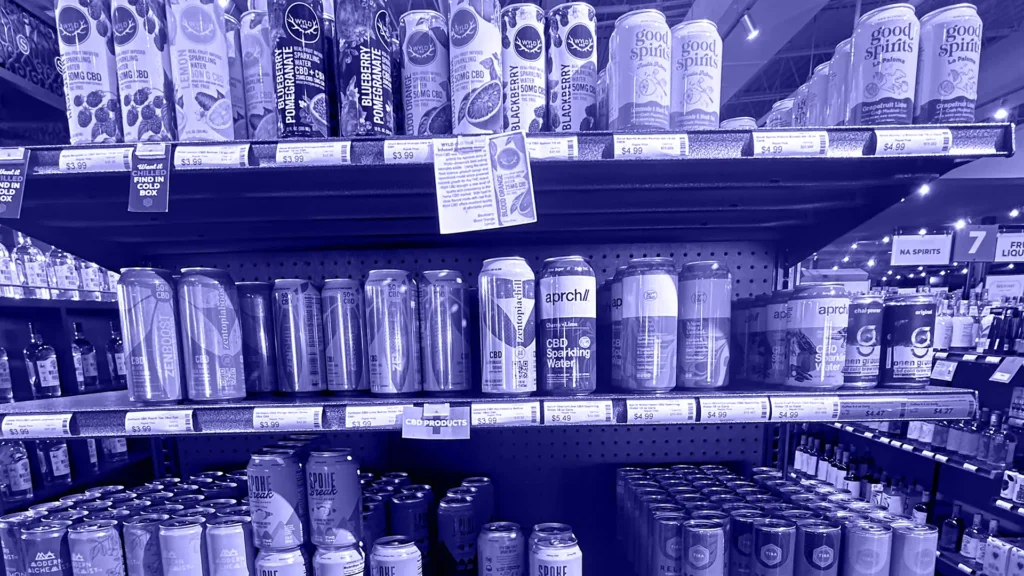
Here’s what recent industry data shows:
📈 CBD-Infused Beverages Are Growing
The global CBD-infused beverages market was valued at approximately $1.45 billion in 2024 and is projected to reach about $7.65 billion by 2033, reflecting sustained interest in ingredient-led, alcohol-adjacent beverage formats.
(IMARC Group)
🥂 Non-Alcoholic Beverages Continue Expanding
The non-alcoholic beverages market — including NA beer, mocktails, and other alternatives — is on pace to grow from roughly $1.35 trillion in 2023 to around $2.1 trillion by 2033, representing continued demand for diversified beverage choices. Within that space, non-alcoholic beer has emerged as a particularly strong category. According to the Brewers Association, non-alcoholic beer is no longer a niche offering — it’s increasingly viewed as a permanent and complementary part of brewery portfolios, with many producers expanding NA lines in response to consistent consumer demand. Together, these data points reinforce a clear takeaway: non-alcoholic and alternative beverages are not seasonal experiments — they’re becoming foundational categories.
What These Trends Mean for Beverage Brands
Dry January highlights a pattern we’ve seen increasingly, consumers aren’t just opting out of alcohol for a month. They’re experimenting with beverage choice — whether for wellness, lifestyle alignment, flavor exploration, or social occasions that don’t center around alcohol. Industry coverage supports this shift. BevNET reports that functional and ingredient-forward beverages are increasingly replacing alcohol during Dry January, as consumers seek drinks that offer flavor, experience, and alignment with personal goals — without positioning alcohol as the default.
For brands and manufacturers, that matters for several reasons:
- Expanded Portfolio Opportunities – Consumers increasingly expect choice, whether that’s a non-alcoholic alternative alongside core products or a CBD-infused beverage that offers a different experience. This expectation creates room for innovation, not just substitution.
- Ingredient Strategy Becomes Competitive Advantage – Formulating beverages that deliver consistent flavor, stability, and sensory appeal — whether alcohol-free or infused with actives like CBD — requires thoughtful ingredient strategy, scalable solutions, and expertise in performance across formats. Forward-looking brands recognize that ingredient quality and versatility matter as much as the final drink.
- Choice That Feels Intentional, Year-Round – While Dry January brings attention to alternatives once a year, many consumers continue to explore non-alcoholic and ingredient-led beverages long after January ends. These aren’t just seasonal interests; they’re shifts in consumption patterns that align with broader lifestyle choices.
More Than a Moment — A Signal for Innovation
Dry January isn’t just about what people don’t drink. It’s about what they do choose. A beverage portfolio that includes thoughtful non-alcoholic options signals inclusivity and relevance. CBD-infused and ingredient-forward beverages demonstrate responsiveness to evolving consumer curiosity. Ingredient manufacturers and beverage developers who understand these shifts can help brands create products that meet consumers where they are — in both lifestyle and occasion. This moment offers insight, not interruption.
Looking Ahead
Dry January may be a brief window on the calendar, but the trends it reveals have staying power. For brands and beverage manufacturers, now is the time to ask:
- Does your portfolio offer choice that resonates with evolving consumer expectations?
- Are your formulations built to perform across categories?
- How can ingredient strategy support growth beyond a single season?
Consumers aren’t just reevaluating what they drink — they’re expanding what they’ll choose and that expansion is where opportunity begins.